Best Bike Chain Lube 2026: Wax, Dry, Wet, and Ceramic Compared
Walk into any bike shop in 2026 and you'll see a wall of forty chain lubes promising the same thing: a quiet, fast drivetrain that lasts forever. Most of them work. A few are genuinely better. And the “best” one for you depends almost entirely on where you ride, how often you clean, and how much money you want to leave on the table when you eventually replace the cassette. This guide cuts through the marketing and tells you exactly which chain lube to buy for your riding in 2026 - with named picks, mileage you can trust, and the trade-offs nobody on the bottle prints.
At a Glance
- Time to choose: 5 minutes
- Cost range: $10-$65 a bottle
- Best all-rounder: Silca Synergetic (drip)
- Best for racers: Silca Hot Melt (immersion wax)
- Best value: Squirt Long Lasting
- Best wet: Finish Line Wet
Quick Answer
A drip wax such as Squirt or Silca Super Secret is an option for dry riding if you can prepare the chain and let the coating cure. Silca Synergetic is an oil-based lube, not a drip wax. Wet lubes may suit sustained rain or winter riding, with regular cleaning to remove collected grit. Match the product and maintenance routine to your conditions.
Buying a fresh chain at the same time? Use our Chain Length Calculator → to size it correctly before the first lube goes on.
Who This Is For
- Commuters and weekend riders who want one bottle that works for almost everything
- Cyclists chasing watts who care about drivetrain friction and have heard about “waxing”
- Mechanics tired of degreasing a black, gritty chain every two weeks
- Mountain bikers, gravel riders, and bikepackers weighing dust resistance against rain protection
- E-bike owners who burn through chains and want to slow that down
Why Lube Choice Matters More Than the Brand
Independent friction testing - most notably by Adam Kerin at Zero Friction Cycling and the original Friction Facts work bought by CeramicSpeed - has shown that the gap between the best and worst chain lubes is huge: roughly 5-7 watts of drivetrain drag at 250 W rider output, and a 3-4× spread in chain life. A chain lubed with the wrong product in the wrong conditions can hit 0.5% wear in 1,000 miles. The same chain, immersion-waxed and re-waxed every 250 miles, regularly clears 6,000. That is the difference between two cassettes a year and one cassette every three years.
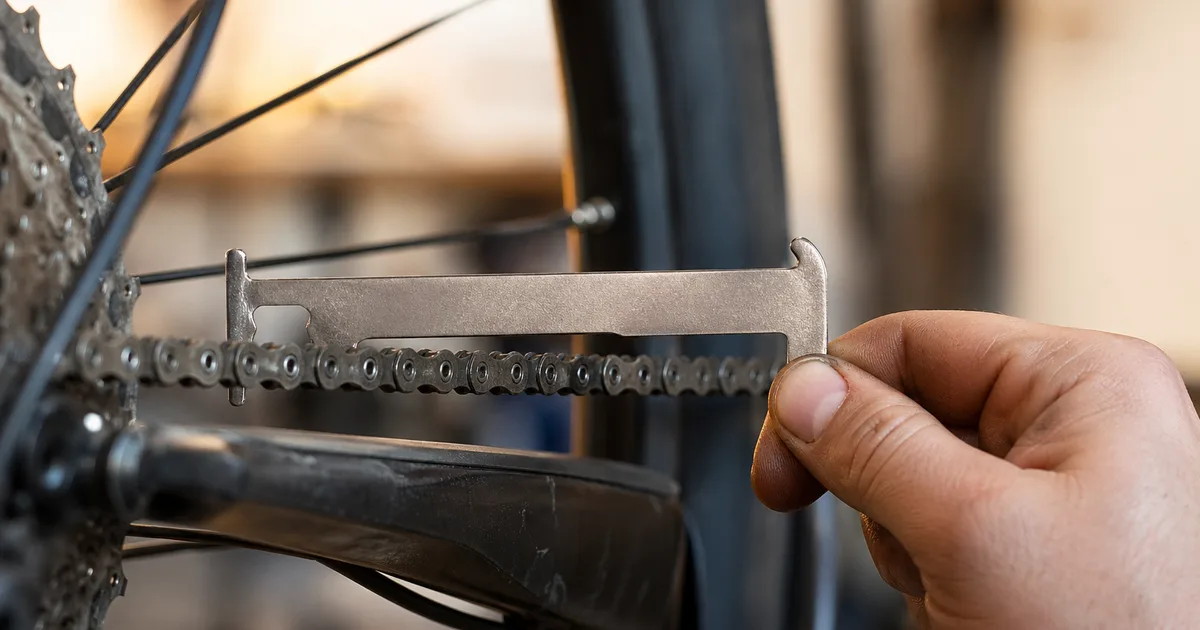
The variable that matters most isn't marketing claims - it's how well the lubricant stays inside the chain's pin/bushing interface and keeps grit out. Wax wins because it's solid at room temperature: dust bounces off it. Wet oil loses because it's tacky: dust sticks to it and turns into grinding paste. Everything else is a compromise between those poles. For the diagnostic side - how to actually measure whether your lube is working - pair this guide with our chain wear guide and the Chain Wear Calculator.
The Four Types of Chain Lube, Explained
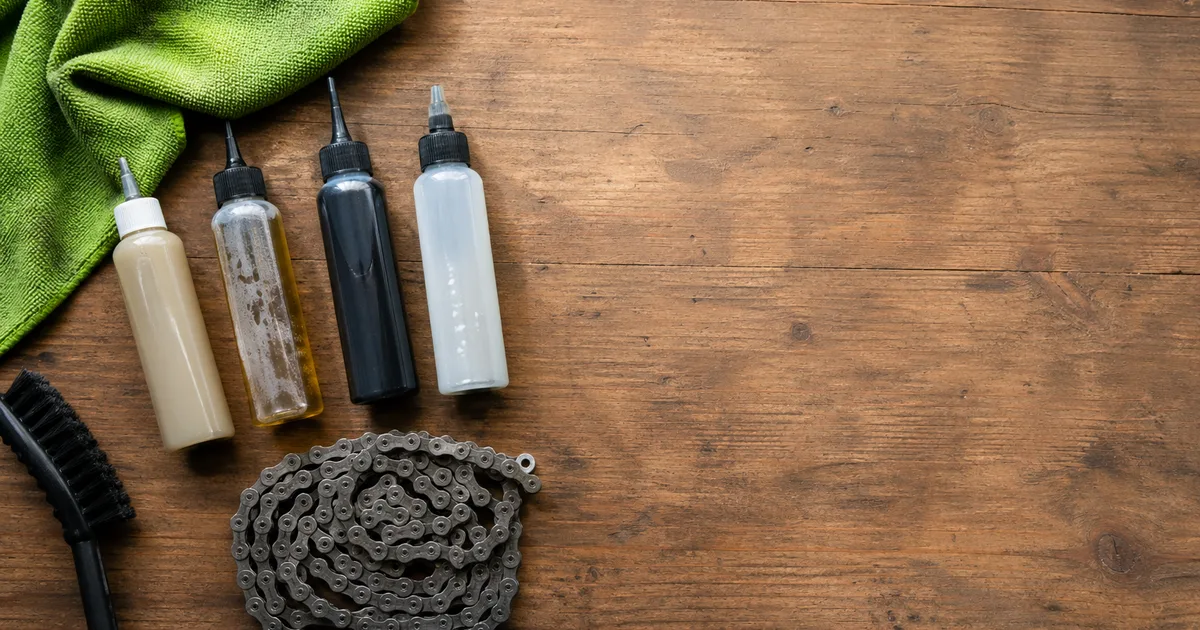
Every chain lube on the wall falls into one of four families. Pick the family first, then pick a product inside it.
1. Wet Lube
How it works. A heavy, oil-based lubricant (mineral oil plus tackifiers and rust inhibitors) that stays liquid on the chain. It penetrates the rollers and clings through rain.
When to use it. Heavy rain, winter salt and slush, long muddy tours, or any time you're going to ride before you can re-lube. Commuters in the UK, the Pacific Northwest, and anywhere else “wet” describes the season - not the weather report - live on wet lube.
Mileage between applications. 100-200 mi in wet conditions; up to 300 mi in dry. Reapply any time the chain looks pale or sounds noisy.
Pros. Cheap, available everywhere, very rust resistant, forgiving of poor application. Quietest in heavy rain.
Cons. Attracts grit like a magnet. Drivetrains run black within 50 mi. Friction is the highest of the four types in independent tests, and chain life suffers because the lube doubles as a grinding paste once it's contaminated.
Top picks. Finish Line Wet (the standard), Rock N Roll Extreme, Muc-Off Wet Lube. All work; the differences are marginal.
2. Dry Lube
How it works. A solvent carrier (water or isopropanol) deposits a PTFE or paraffin film inside the chain, then the carrier evaporates. What's left is a thin, dryish coating that doesn't attract dust the way wet oil does.
When to use it. Dry summer roads, dusty gravel, most American and Mediterranean climates from May to October.
Mileage between applications. 100-150 mi in dust; far less in rain because the film washes off the moment the chain gets soaked.
Pros. Clean drivetrain, easy application (squeeze-bottle drip), neutral on bike-shop hands. Significantly less grit accumulation than wet lube.
Cons. Disappears in rain. Needs frequent re-application. Pure PTFE dry lubes are mid-pack on friction tests compared with the latest wax or ceramic blends.
Top picks. Finish Line Dry Teflon, Muc-Off C3 Ceramic Dry, White Lightning Clean Ride.
3. Ceramic Lube
How it works. A drip lube - usually a wet or dry base - loaded with sub-micron ceramic particles (boron nitride or silica) that bed into the pin/bushing surfaces and reduce rolling friction. Despite the marketing, “ceramic” is an additive, not its own category.
When to use it. When you want a small, real friction gain over plain dry or wet lube and you don't want to wax. Most ceramic lubes come in dry or wet variants - pick the variant that matches your weather.
Mileage between applications. Same as the base type: 100-200 mi for ceramic dry, similar for ceramic wet.
Pros. Marginal but measurable friction reduction. UV-dye options (Muc-Off C3) make it easy to see if you've applied enough. Often quieter than the equivalent non-ceramic lube.
Cons. Costs roughly double the equivalent non-ceramic. Ceramic dry still washes off in rain. The friction win over a great drip wax is small, sometimes zero.
Top picks. Muc-Off C3 Dry, Muc-Off C3 Wet, Finish Line Ceramic Wax, Finish Line Ceramic Wet.
4. Wax - Drip and Immersive
How it works. Paraffin wax (sometimes blended with PTFE, tungsten disulfide, or molybdenum disulfide) coats the chain in a solid, dry film. Two delivery methods:
- Drip wax - a wax-and-water emulsion you apply from a squeeze bottle. Easy, forgiving, no slow cooker. (Squirt, Smoove, Silca Synergetic.)
- Immersive (hot-melt) wax - a block of solid wax melted in a slow cooker; you dip the cleaned chain in, agitate, and hang it to cool. Highest performance and the longest chain life of any method, period.
When to use it. Almost any conditions except sustained heavy rain. Dust and dry grit are wax's home turf; light wet riding is fine if you re-wax soon after.
Mileage between applications. Drip wax: 150-400 mi (Smoove brags up to 600 in dry). Hot-melt immersion: 200-400 mi between dips, depending on conditions.
Pros. Cleanest drivetrain on the market - hands stay clean, frame stays clean. Lowest friction of all four families in independent tests. Roughly 2-3× the chain and cassette life of dry lube, and 3-4× wet lube.
Cons. First-time setup is a faff: a brand-new chain has to be stripped of factory grease before the wax can adhere. Hot-melt requires a slow cooker dedicated to bike duty. Wax is brittle in deep, sustained wet riding - flakes off and leaves bare metal.
Top picks. Silca Synergetic (drip, all-rounder), Squirt Long Lasting (drip, value), Smoove (drip, longest intervals), Silca Secret Chain Blend (hot-melt, race-day), Molten Speed Wax (hot-melt, classic).
Side-by-Side Comparison
One table, the four families, the variables that matter:
| Type | Best Climate | Mileage / App | Cleanliness | Price | Top Pick |
|---|---|---|---|---|---|
| Wet | Rain, winter, mud | 100-200 mi | ★☆☆☆☆ Dirty | $10-$15 | Finish Line Wet |
| Dry | Dry summer, dusty | 100-150 mi | ★★★☆☆ Decent | $10-$15 | Finish Line Dry |
| Ceramic | Either (pick variant) | 100-200 mi | ★★★☆☆ Decent | $18-$25 | Muc-Off C3 Dry |
| Drip wax | Dry, dusty, mixed | 150-400 mi | ★★★★★ Cleanest | $11-$25 | Silca Synergetic |
| Hot-melt wax | Dry to mixed | 200-400 mi | ★★★★★ Cleanest | $40-$65 (block) | Silca Hot Melt |
Two takeaways. First: wax wins on cleanliness and on chain life by a wide margin, but only if you're willing to do the strip-and-prep once. Second: wet lube earns its keep exactly when nothing else works - the rest of the year it's the most expensive choice you can make, because it grinds drivetrains.
Top Picks for 2026
Below are the seven products we recommend most often, grouped by type and use case. All are stocked widely; affiliate links go to Amazon search to keep pricing fresh.
Silca Synergetic Drip Lube - Best All-Rounder
Synergetic is what we suggest when someone wants the best chain lube without buying a slow cooker. It tops Zero Friction Cycling's drip lube tests for total drivetrain efficiency and lasts a long 300-400 mi between applications in dry conditions. The formula uses tungsten disulfide for friction reduction and a synthetic oil base that doesn't attract grit the way a wet lube does.
Application tips. Apply to a clean, dry chain. Run one drop into the top of every roller, backpedal a few revolutions, wait 10 minutes, wipe the outside firmly. Reapply when the chain starts to whisper.
Ideal for: Road, gravel, light commuting, anyone who wants “waxed-chain” performance from a bottle. Price tier: Premium ($25 / 4 oz).
Silca Secret Chain Blend Hot Melt Wax - Best for Racers
The same wax used by WorldTour pro teams. A block of paraffin blended with tungsten disulfide and PTFE that you melt in a dedicated slow cooker (a $25 thrift-store unit is fine), dip a clean chain into for 10 minutes, then hang to cool. The result is the lowest-friction drivetrain you can run on a bike.
Application tips. A new chain MUST be stripped first - mineral spirits or methylated spirits in a sealed bottle, agitate hard until clean, dry overnight. Re-wax every 200-400 mi. To re-wax mid-season, you only need to brush off loose flakes and dip again; full re-strip is needed once a season or after wet rides.
Ideal for: Racers, performance-focused riders, anyone who values the cleanest drivetrain possible. Price tier: Premium ($65 / 500 g block, lasts a year+).
Squirt Long Lasting Chain Lube - Best Value Wax
Squirt was the first mainstream drip wax and remains the easiest on-ramp to a wax drivetrain. Apply a generous coat to a clean chain, let it dry overnight, ride. The wax emulsion penetrates because it's water-based, then leaves a clean wax film when the water evaporates. Dirt sheds off, the drivetrain stays bright.
Application tips. Drown the chain in the first application - you want full saturation. Subsequent re-lubes are lighter. Squirt does not love rain; in wet weather, you'll re-lube more often.
Ideal for: Riders on a budget, anyone trying wax for the first time, gravel and dry-trail mountain bikers. Price tier: Value ($11 / 120 ml).
Smoove Universal Chain Lube - Best for Long Intervals
Smoove is a wax-based drip lube that makes a single bold claim: re-lube every 600 miles in dry conditions. In our experience, 300-500 mi is more realistic, but that's still triple what you'd get from a dry lube. Particularly good in dusty gravel and cyclocross conditions where wax-style performance shines.
Application tips. Smoove is thicker than Squirt - let the chain “eat” the lube for several minutes before wiping. Initial setup needs a properly degreased chain or the wax won't adhere.
Ideal for: Bikepackers, gravel racers, cyclocross, anyone who hates re-lubing. Price tier: Mid ($22 / 125 ml).
Rock N Roll Gold - Best Self-Cleaning Hybrid
Gold takes a different approach: it's an oil-based lube with a carrier that's designed to flush grit out of the chain when you wipe. Apply heavily, work it in, then wipe down hard with a clean rag - the rag will turn black and the chain will be clean. Genuinely useful for riders who hate the strip-and-clean ritual that wax requires.
Application tips. Wipe more aggressively than you think. The chain looks dry afterwards but the rollers retain plenty of lube. Apply the night before a ride so it can settle.
Ideal for: Casual riders who don't want a cleaning routine, mountain bikers in mixed conditions. Price tier: Value ($11 / 4 oz).
Muc-Off C3 Ceramic Dry - Best Ceramic
C3 Dry is a PTFE-and-ceramic dry lube with a UV dye so you can actually see where you've applied it. The friction performance is solid - not class-leading like Synergetic, but a clear upgrade over plain dry lubes - and the application experience is the easiest of any premium lube on this list. Pair with a UV pen torch for the full effect.
Application tips. Apply to a clean chain, work in, wipe lightly. Don't over-apply: dry lubes work best as thin films, not thick coats.
Ideal for: Riders who want a step up from generic dry lube without switching to wax. Price tier: Mid ($18 / 50 ml).
Finish Line Wet - Best Wet
The default wet lube. Shop staples are shop staples for a reason: Finish Line Wet is cheap, available everywhere, and works. In sustained rain it stays put, fights rust, and keeps the chain quiet. Just accept that the drivetrain will be black within a few rides, and degrease it weekly.
Application tips. Don't over-apply - the chain only needs lube inside the rollers. Wipe the outside completely after every application.
Ideal for: Winter commuters, riders in genuinely wet climates, anyone whose bike lives outdoors. Price tier: Value ($12 / 4 oz).
How to Apply Chain Lube Correctly
The biggest reason chain lubes “don't work” is bad application, not bad product. Three rules cover 95% of cases:
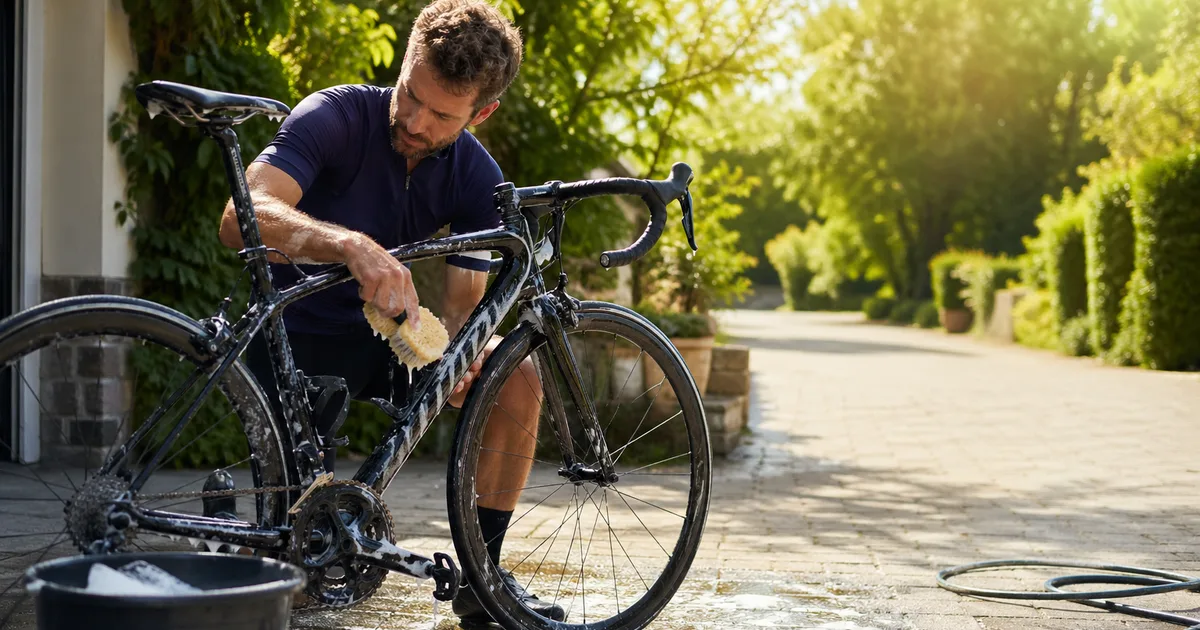
- Clean first. A degreased, dry chain is non-negotiable for wax. For drip lubes you can get away with a wipe-down between applications, but a deep clean every 4-6 weeks resets the baseline.
- One drop per roller, then wait. Apply lube to the inside of the chain (the part that wraps the cassette), one drop on top of every roller. Backpedal slowly, then leave the chain to absorb for 10 minutes minimum.
- Wipe hard. Lube on the outside of the chain attracts dirt without lubricating anything. A firm wipe with a clean rag is what separates a clean drivetrain from a black one.
For the full step-by-step routine - including degreaser choice, ultrasonic cleaning, hot-melt waxing setup, and how to strip a brand-new chain - see our complete chain cleaning and lube guide. The chain maintenance guide also covers degreasing routines and tool choices.
How Often to Re-Lube by Type
Mileage between applications depends on lube type and conditions. Use the table as a starting point and pay attention to the chain itself - if it sounds dry or looks pale, re-lube regardless of the calendar.
| Lube Type | Dry Conditions | Wet / Mud | Trigger Signal |
|---|---|---|---|
| Wet | 200-300 mi | 100-150 mi | Drivetrain blackness |
| Dry | 100-150 mi | After every wet ride | Chain noise |
| Ceramic dry | 150-200 mi | After every wet ride | UV dye fades / noise |
| Drip wax | 200-400 mi | After 1-2 wet rides | Loss of slick feel; squeak |
| Hot-melt wax | 300-400 mi | After every soaking ride | Visible wax loss; squeak |
Common Chain Lube Mistakes
- Lubing a dirty chain. All you're doing is re-suspending grit deeper inside the rollers. Clean first, every time.
- Mixing wax over oil. Wax won't adhere to a chain that still has wet lube residue. Switching to wax requires a full strip down to clean metal.
- Over-applying. Excess lube on the outside of the chain glues dust onto the side plates and onto the cassette. Wipe.
- Riding immediately after a drip wax. Wax-emulsion lubes need overnight (or at least 2-3 hours) to dry. Ride before they cure and you've flicked most of the wax onto the chainstay.
- Using wet lube in dry climates. The single most common drivetrain mistake. If it doesn't rain where you ride, you're paying double for cassette wear.
- Ignoring rust on the rollers. Lube doesn't fix corrosion damage. Pair this with the chain replacement guide and check wear monthly.
Top Chain Lubes for 2026
The chain lubes we recommend most often, across price tiers and conditions.
Silca
Silca Synergetic Drip Lube (4 oz)
Tungsten-disulfide drip lube that tops independent friction tests for total drivetrain efficiency. Best all-rounder if you only run one bottle.
Silca
Silca Secret Chain Blend Hot Melt Wax (500 g)
Pro-team-level immersion wax: paraffin blended with tungsten disulfide and PTFE. Pair with a slow cooker for the longest, cleanest drivetrain life money can buy.
Squirt
Squirt Long Lasting Chain Lube (120 ml)
Wax-emulsion drip lube - clean, quiet, and forgiving. The easiest path to a wax-style drivetrain without buying a slow cooker.
Smoove
Smoove Universal Chain Lube (125 ml)
Wax-based drip lube engineered for ultra-long re-application intervals (up to 600 mi in dry conditions). Cyclocross and gravel favourite.
Rock N Roll
Rock N Roll Gold Chain Lube (4 oz)
Self-cleaning hybrid lube. Apply liberally, wipe hard - the carrier flushes grit out of the rollers. Best if you hate degreasing.
Muc-Off
Muc-Off C3 Ceramic Dry Chain Lube (50 ml)
Ceramic-additive dry lube with UV dye for application checks. Smooth, quiet, and clean in dry to lightly damp conditions.
As an Amazon Associate we earn from qualifying purchases. Purchases made through these links help support our free calculators.
Frequently Asked Questions
Conclusion
The best bike chain lube in 2026 is the one that matches your weather and your patience. If you ride mostly dry and want the easiest path to a clean, fast drivetrain, buy a bottle of Silca Synergetic or Squirt and never look back. If you race or care about every watt and every dollar of cassette life, set up a slow cooker and switch to immersive wax. If your riding is genuinely wet most of the year, run Finish Line Wet, accept the black drivetrain, and clean weekly. Whatever you pick, clean before you lube, wipe hard after, and re-apply on schedule - that's where the real gains live. Pair this guide with our chain cleaning and lube routine and the chain replacement guide to keep the rest of the drivetrain honest.
Key Takeaways
- Wax wins on cleanliness, friction, and chain life - drip or immersive.
- Wet lube is for wet weather, not insurance.
- Ceramic is an additive, not a category - pick the variant that matches your weather.
- Application beats brand: clean first, one drop per roller, wipe hard.
- Measure wear with our Chain Wear Calculator to confirm your lube is doing its job.