Best Kids Bike Accessories 2026
Guide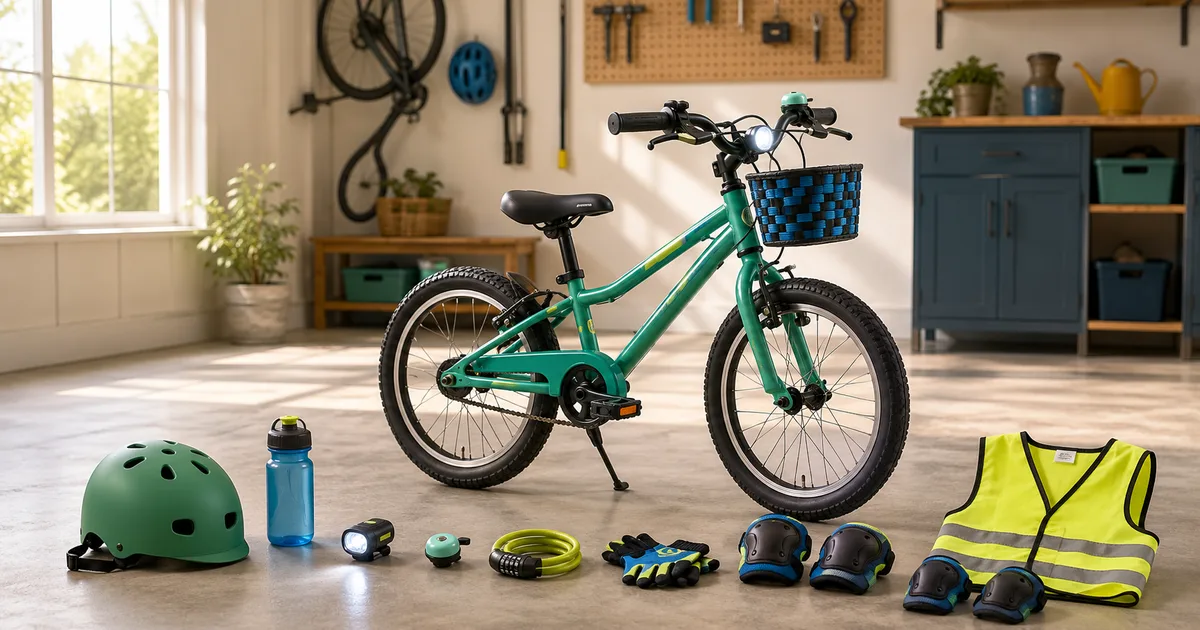
A good kids bike does the heavy lifting, but the right accessories decide whether your child rides for ten minutes or all afternoon. The wrong helmet slides forward into their eyes; ill-fitting pads either chafe or end up under the saddle by the second corner; flimsy lights rattle off on the first curb. None of these are expensive problems to fix - but each one is the difference between a happy ride and an early walk home.
This 2026 guide covers every accessory worth buying for a kid's bike, in priority order. We'll start with the non-negotiables (helmet, then pads and gloves for learners), move to the visibility and security gear that matters once your child rides on roads or to school, and finish with the small stuff - bottle cages, bells, and baskets - that turns a bike into your kid's favourite thing. Pair this with our Best Bikes for Kids 2026 to outfit a complete first ride.
The 30-second answer
Buy these in order: helmet (sized properly - use the Helmet Size Calculator), gloves (for learners), knee & elbow pads (for first weeks and trail riders), front & rear lights (the moment they ride near cars or after sunset), bell, and a lightweight U-lock for older kids riding to school. Skip training wheels.
Top kids accessory picks at a glance
Check Amazon for current pricing and availability - we earn a small commission at no extra cost to you.
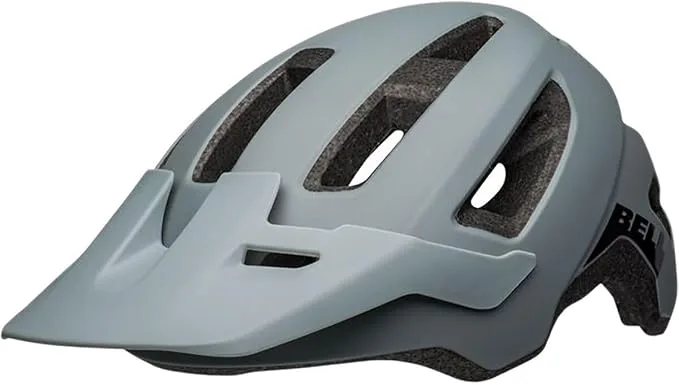
Bell
Bell Nomad 2 MIPS
This ASIN is Small/Medium 52-57 cm. Check the selected Amazon size/color before checkout.
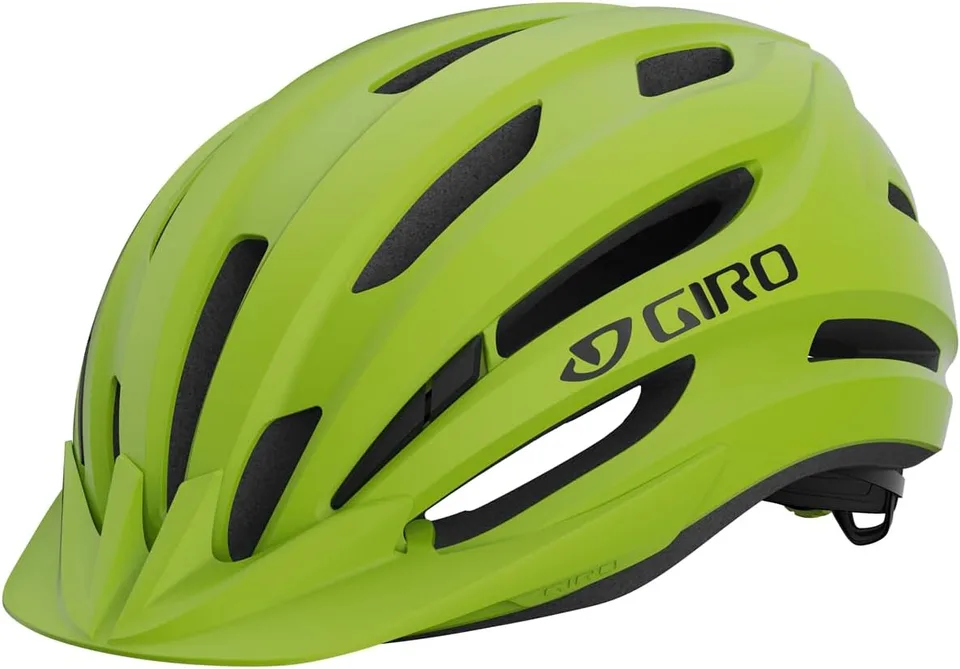
Giro
Giro Register MIPS
S 51-55 cm, M 55-59 cm, L 59-63 cm
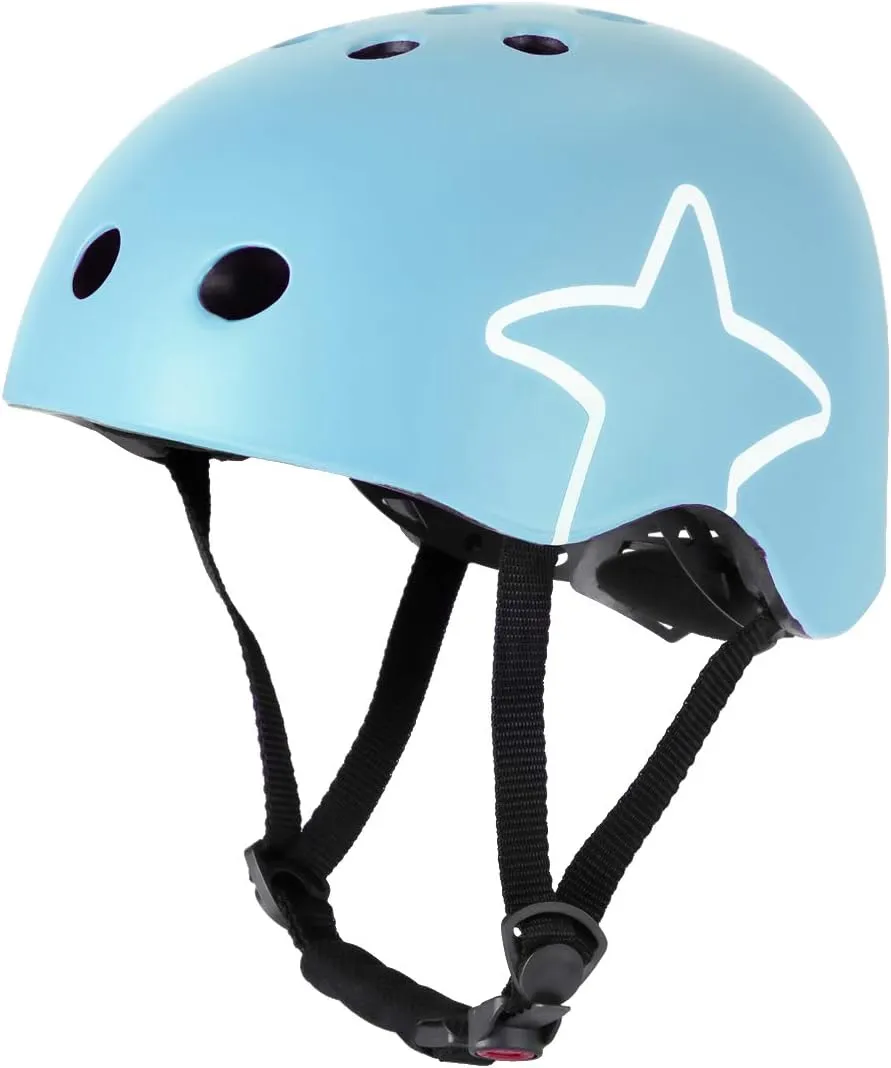
Joystar
Joystar DRBIKE Kids Multi-Sport Helmet (Ages 3-8)
Adjustable dial-fit kids multi-sport helmet sized for ages 3-8. Compatible with biking, skateboarding, and scooter use. EPS foam with vented hard shell.
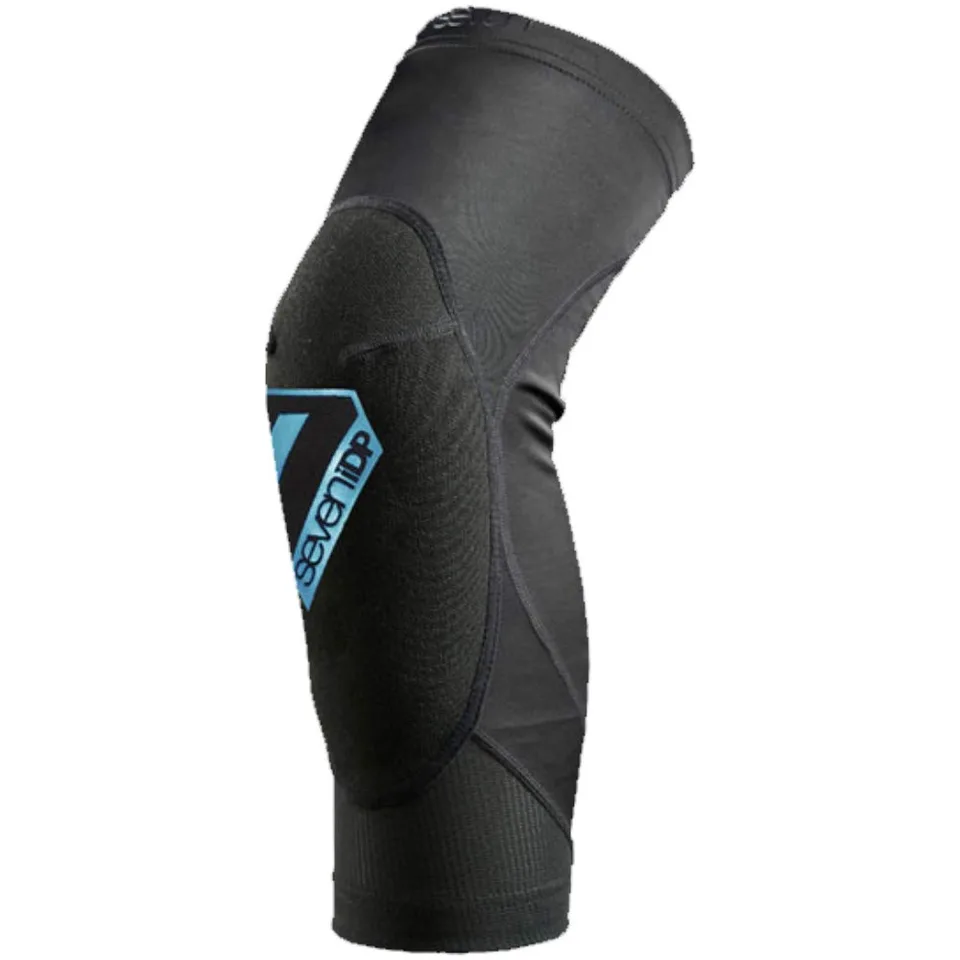
7idp
7iDP Youth Transition Knee Pad
Size XS fits 28-32 cm thigh circumference, 135-150 cm rider height
Dakine
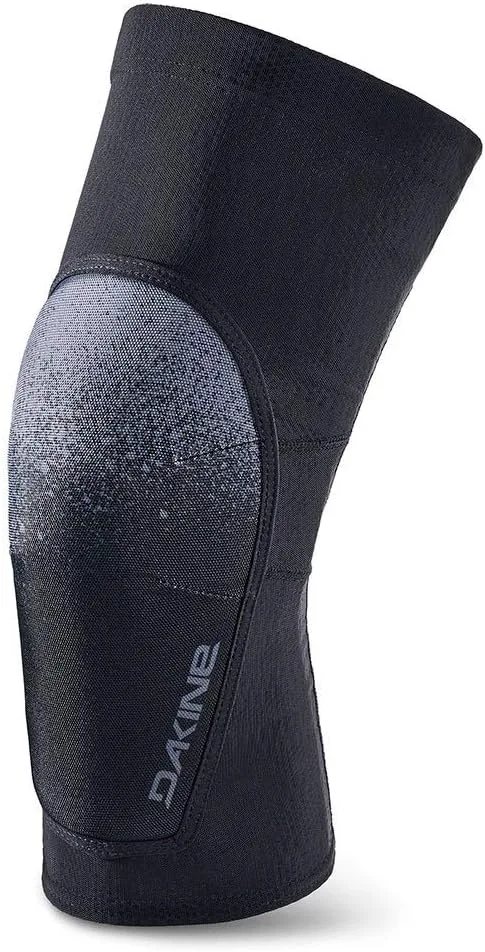
Dakine Slayer Knee Pad
Adult sizing only — the Slayer runs XS through XL rather than youth sizes. XS fits roughly 30-34 cm thigh circumference, S 34-38 cm, M 38-43 cm.
Fox Racing
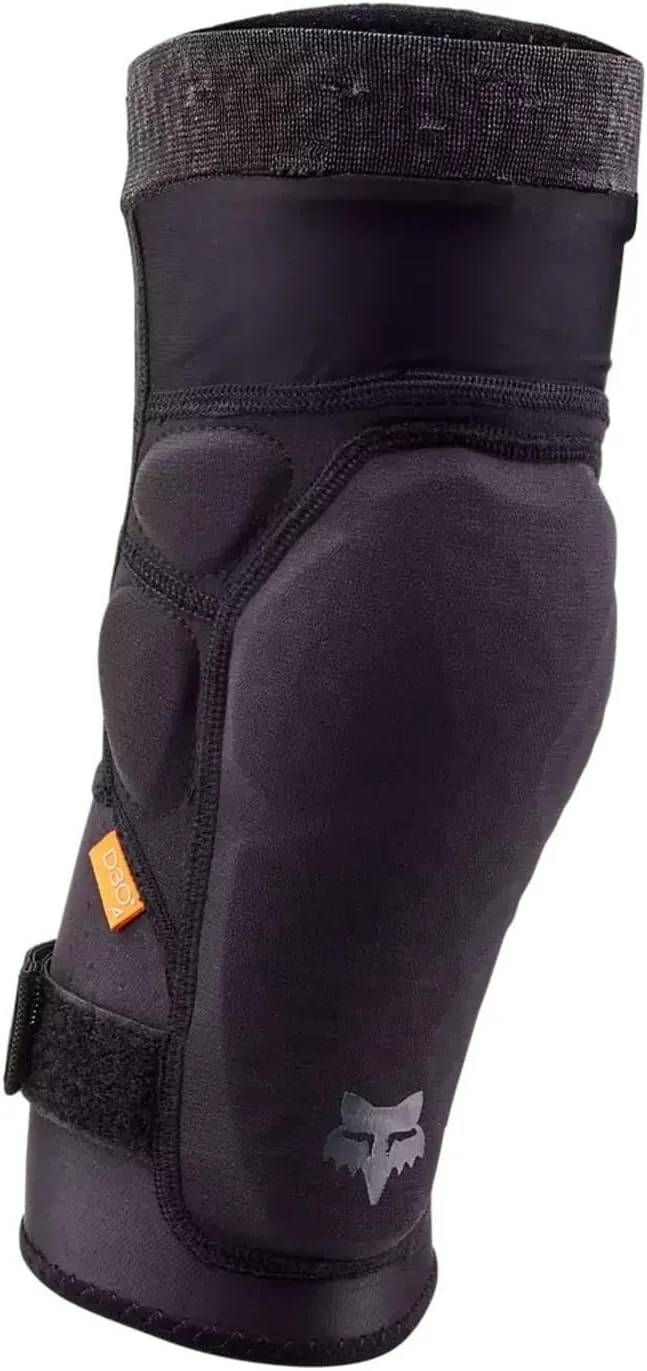
Fox Racing Fox Rampage Youth Knee Guard
Size SM fits 28-32 cm thigh circumference, 140-155 cm rider height
As an Amazon Associate we earn from qualifying purchases. Purchases made through these links help support our free calculators.
Table of contents
- Helmets - the only non-negotiable
- Gloves - palm protection for learners
- Knee & elbow pads
- Lights for visibility & safety
- Bells & horns
- Locks for older kids
- Water bottles & cages
- Baskets & carry options
- Training wheels alternatives
- Nice-to-haves: bike computers, mirrors, streamers
- FAQ
Helmets - the only non-negotiable
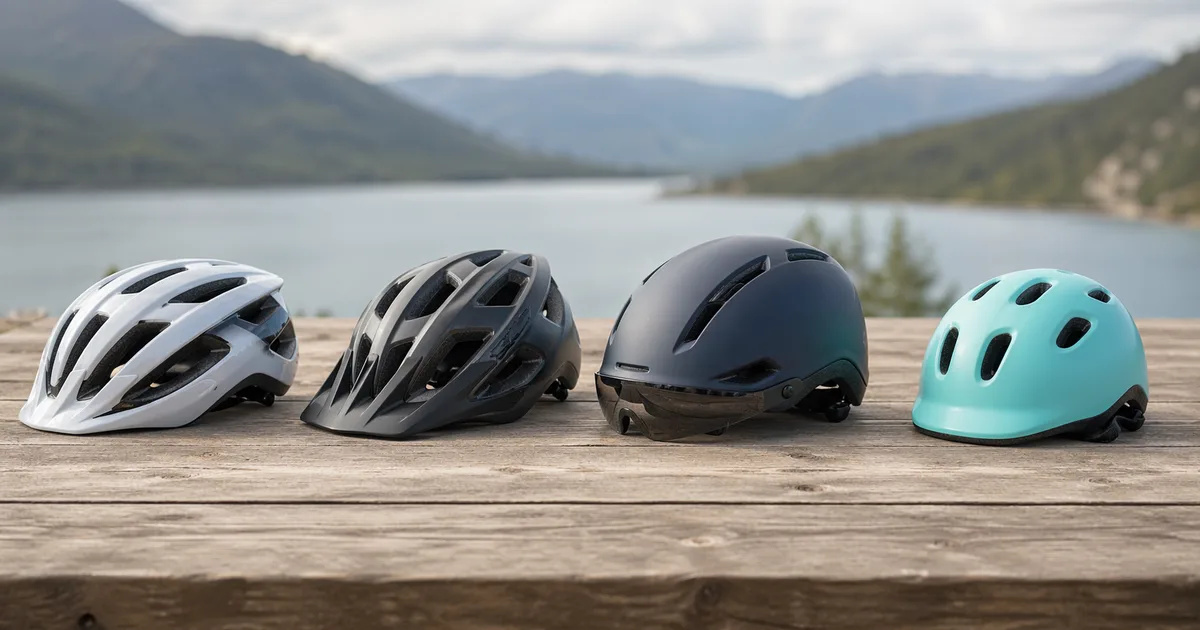
If you buy one accessory, buy a helmet. A correctly fitted, certified helmet (CPSC in the US, EN 1078 in Europe) reduces head injury risk by roughly 60-70% in the kind of low-speed crashes kids actually have. Modern kids helmets with MIPS or similar rotational-impact protection add a meaningful margin on top of that for oblique impacts. In many US states helmets are also legally required for under-16 or under-18 riders - check the helmet laws for kids vs adults in your state before assuming it's optional.
What to look for
- Certification: CPSC sticker (US) or EN 1078 (EU). No sticker, no buy.
- Rotational protection: MIPS or equivalent in the $40+ tier. Worth it.
- Rear adjustment dial: essential for fine-tuning fit as your child grows.
- Visor: useful for sun and low branches; should be breakaway in case of impact.
- Weight: under 300 g for a kids size. Heavy helmets end up off.
Top picks for 2026
- Giro Scamp MIPS - the gold-standard kids helmet. Two sizes (XS, S), rear dial, MIPS, around 280 g.
- Bell Sidetrack II MIPS - great for older kids and pre-teens; visor included; rugged enough for trails.
- Nutcase Little Nutty MIPS - if your child needs a fun design to actually wear it. Heavier but well-vented.
For more options across road, MTB, and kids categories, see our full Best Bike Helmets 2026 roundup. To translate head circumference to brand sizes, use the Helmet Size Calculator.
Shop kids helmet picks
Bell
Bell Nomad 2 MIPS
This ASIN is Small/Medium 52-57 cm. Check the selected Amazon size/color before checkout.
Giro
Giro Register MIPS
S 51-55 cm, M 55-59 cm, L 59-63 cm
Joystar
Joystar DRBIKE Kids Multi-Sport Helmet (Ages 3-8)
Adjustable dial-fit kids multi-sport helmet sized for ages 3-8. Compatible with biking, skateboarding, and scooter use. EPS foam with vented hard shell.
Gloves - palm protection for learners
When a kid tips over at low speed, the palm hits the ground first. Gloves don't prevent the fall, but they prevent the painful palm scrape that ends a session early. For a child learning to ride, gloves are the second thing in the basket after the helmet.
What to look for
- Lightweight - half-finger gloves are fine for warm weather.
- Gel pad on the heel of the palm (not too thick - they need to grip the bar).
- Terry-cloth thumb for sweat and faces.
- Velcro closure that's easy to do one-handed.
Top picks for 2026
- Giro DND Junior - full-finger MTB-style; great grip; durable.
- Fox Ranger Gel Youth - trail-ready full-finger with light gel padding.
- Pearl Izumi Junior MTB Gloves - reliable all-rounder available in junior sizes.
Use the Glove Size Calculator to convert hand circumference to youth sizes - kids' hand sizes rarely line up with age tables.
Knee & elbow pads
Pads make a measurable difference in the first weeks of riding (when falls are frequent and slow) and on trails or pump tracks (when falls are infrequent but faster). They're less essential for confident sidewalk riding. Critically, pad sizing matters more than brand: a pad that slides off mid-fall is worse than no pad at all.
What to look for
- Hard cap or D3O foam: hard caps for low-speed scrapes; D3O or similar adaptive foam for harder hits.
- Sleeve fit, not strap-on: sleeve-style pads stay put on small limbs; strap-on pads tend to slide.
- Correct circumference: measure the limb at mid-knee or mid-elbow with a soft tape, then match the brand chart.
Top picks for 2026
- G-Form Pro-X3 Youth Knee/Elbow - sleeve-style, adaptive foam, ventilated.
- Triple Eight Saver Series - classic skate-style hard caps, great for early learners and BMX/scooter overlap.
- Fox Launch Pro Youth - trail/MTB-grade pads for older kids hitting real terrain.
Sizing is the whole game with pads - read our dedicated Kids Knee & Elbow Pads Sizing Guide before you buy, and see the full category roundup in Best Knee & Elbow Pads 2026.
Shop kids pad picks
7idp
7iDP Youth Transition Knee Pad
Size XS fits 28-32 cm thigh circumference, 135-150 cm rider height
Dakine
Dakine Slayer Knee Pad
Adult sizing only — the Slayer runs XS through XL rather than youth sizes. XS fits roughly 30-34 cm thigh circumference, S 34-38 cm, M 38-43 cm.
Fox Racing
Fox Racing Fox Rampage Youth Knee Guard
Size SM fits 28-32 cm thigh circumference, 140-155 cm rider height
Lights for visibility & safety
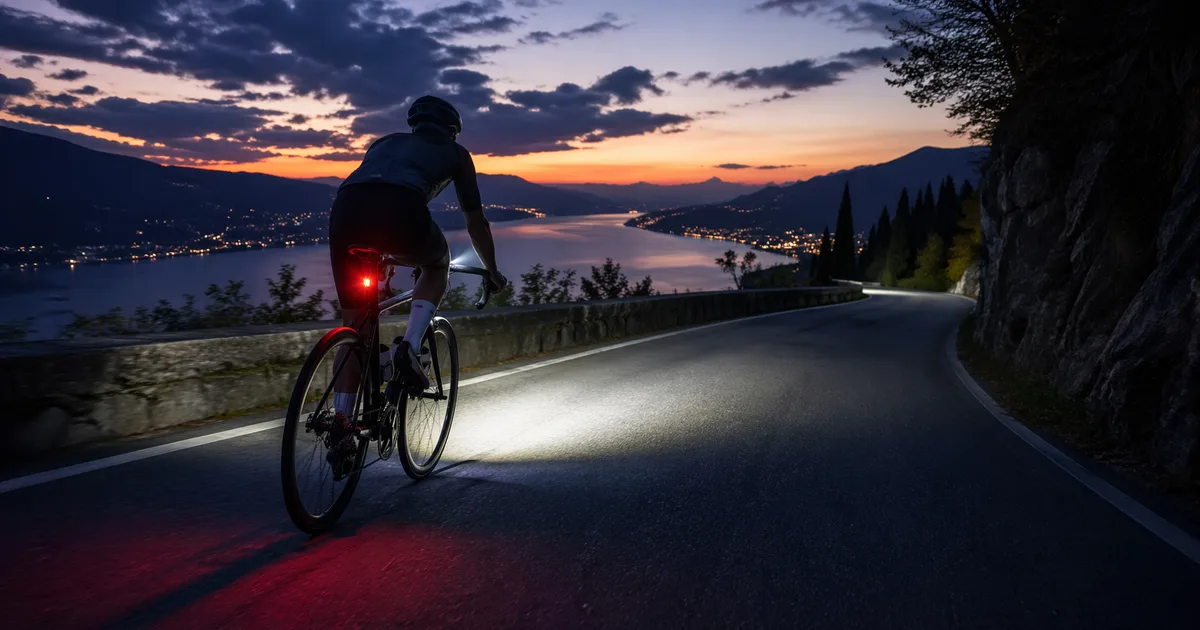
The single best $30 you can spend on a kid who rides near roads. A flashing front white and rear red light during the day make a child visible at 100+ metres - not for them to see, but for drivers to see them. After sunset, lights are mandatory by law in most countries and basic survival gear everywhere - see our overview of state bike-light and reflector requirements before riding after dark.
What to look for
- USB-rechargeable - the disposable-battery era is over.
- Front light: 200-400 lumens with a daytime flash mode.
- Rear light: red, flashing or pulse mode, mounted high.
- Toolless mount: kids will move them between bikes; a rubber-strap mount is friendlier than a screw mount.
Top picks for 2026
- Knog Plus Front + Rear Twinpack - tiny, USB-rechargeable, fits any bar or seatpost. Almost impossible to forget at home.
- Lezyne KTV Drive Pro+ Front + Rear - bright enough for actual road use, with daytime running flash modes.
- Cygolite Hotshot Pro 200 (rear) - the rear light most road cyclists trust; pair with any front light.
Full category guide: Best Bike Lights 2026.
Shop kids light picks
Bell
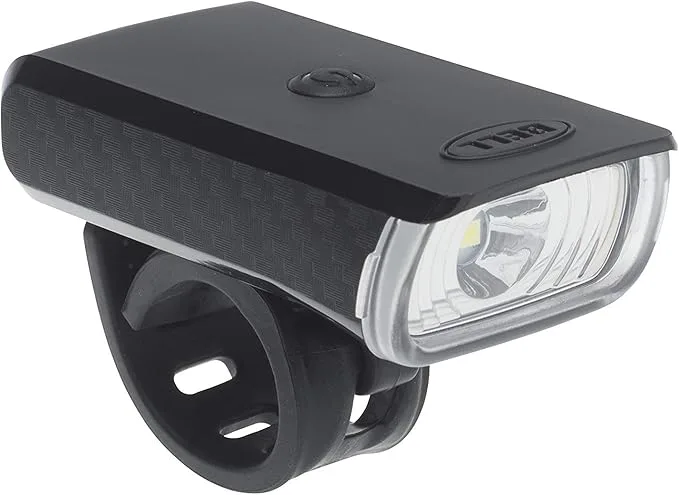
Bell Lumina 300 Headlight
Tool-free handlebar mount; check bar space around computers, bells, and baskets.
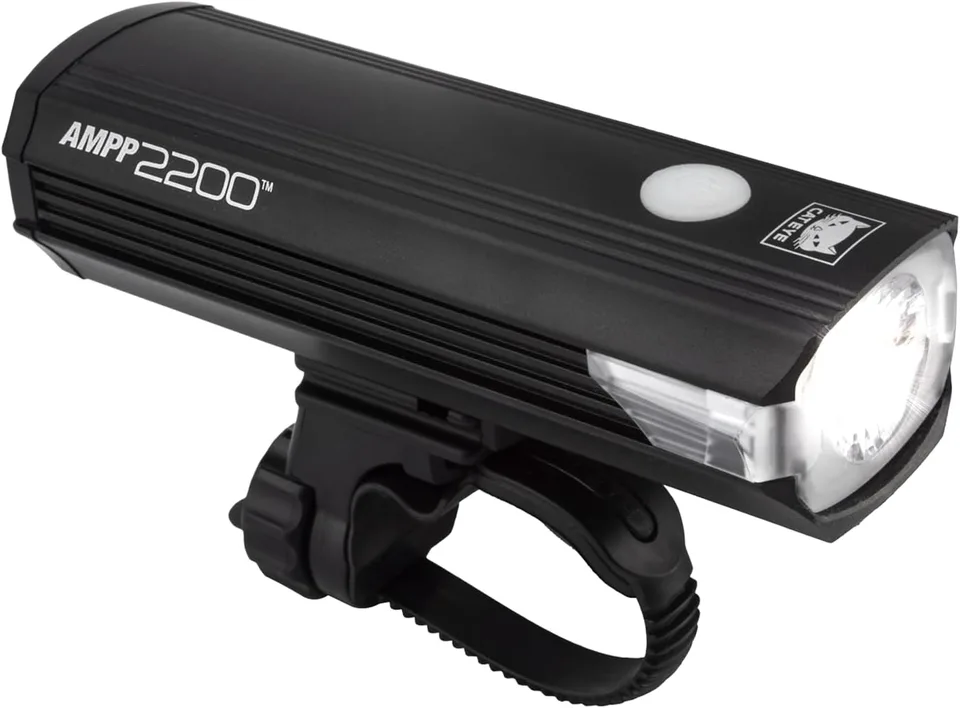
Cateye
Cateye AMPP 2200
2200 lm: highest output in CatEye lineup; for serious trail/night riding.
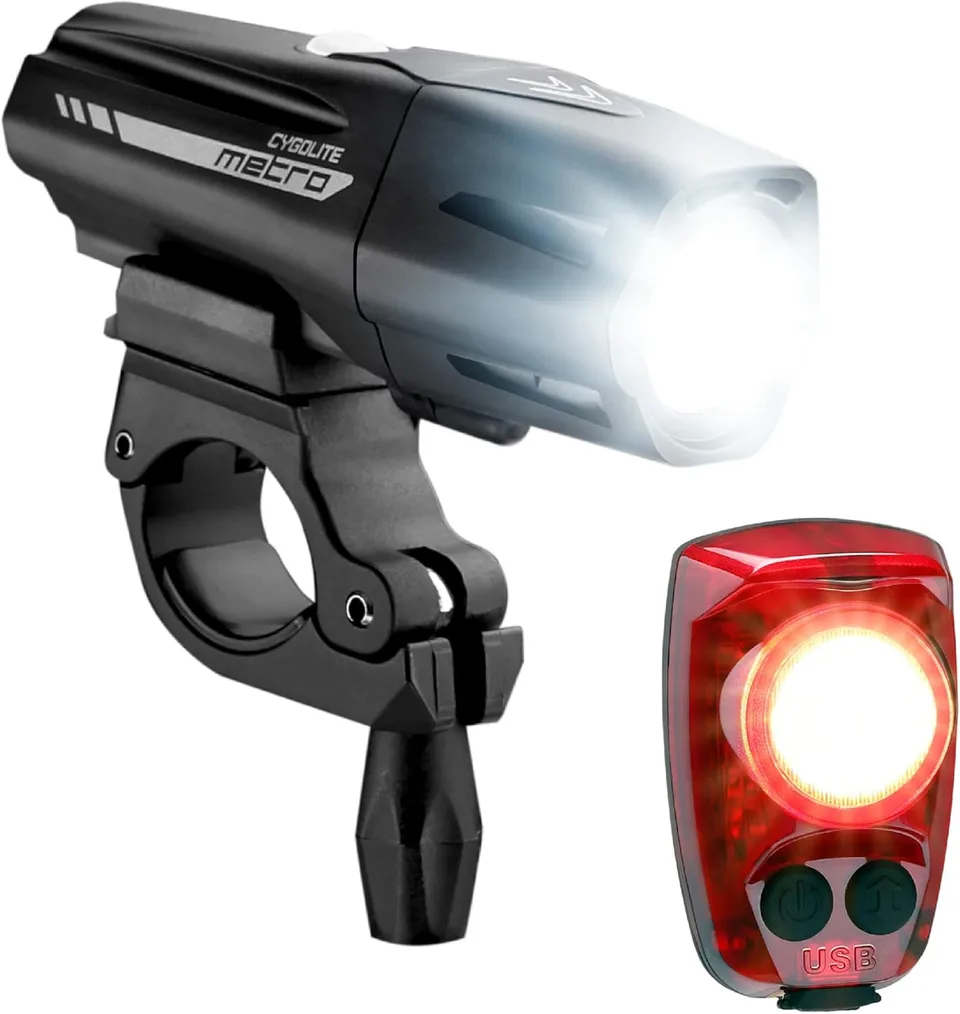
Cygolite
Cygolite Hotshot Pro 150
150 lm rear: excellent daytime flash patterns; 120-hour runtime in low mode.
Bells & horns
Required by law in many regions, useful everywhere - and kids love ringing them, which is half the point. A real ding-dong bell beats a plastic squeak every time. Skip novelty horns unless you don't mind hearing them at 7 a.m. on Saturday.
Top picks for 2026
- Crane E-Ne - small brass bell with a surprisingly loud, clear tone.
- Spurcycle Compact - expensive, but it's the bell every cyclist eventually buys.
- Mirrycle Incredibell Original - the $10 bell that just works on any kids handlebar.
See the Best Bells & Horns 2026 roundup for more.
Locks for older kids
The day your child starts locking up at school, day camp, or the local skate park, they need a real lock - not a $5 cable from the discount aisle. The risk isn't a professional bike thief; it's the opportunist who walks past 30 cable-locked bikes and one D-locked one and picks one of the 30. A lightweight U-lock changes the math entirely.
What to look for
- U-lock or chain - not a cable. Cables cut in seconds.
- Sold Secure Silver or higher for any bike worth more than $200.
- Light enough to carry: 700-1000 g is realistic for a child to manage.
- A frame mount that actually holds the lock without rattling.
Top picks for 2026
- Kryptonite Kryptolok Mini-7 - honest mid-tier U-lock; light enough for a kids backpack.
- Abus Ultra 410 Mini - even smaller, fits in a pocket; ideal for short stops.
- Hiplok Z Lok Combo - not a primary lock, but great as a low-friction extra for accessories or wheels.
Full guide: Best Bike Locks 2026.
Water bottles & cages
Most kids' bikes from 16" up have one set of bottle bosses on the down tube. Use them. A small (500 ml) bottle and a side-loading cage weigh almost nothing and turn a 30-minute ride into a 90-minute one without a meltdown.
Top picks for 2026
- Camelbak Eddy+ Kids 0.4 L - bite-valve straw works one-handed at speed.
- Specialized Little Big Mouth 24 oz - basic squirt bottle in a kid-friendly size.
- Wolf Tooth B-RAD or King Cage - for the cage itself; both are bombproof and last forever.
See the Best Hydration Picks 2026 for more options including hydration packs for trail kids.
Baskets & carry options
A front basket transforms a kids bike from a toy into a tool. Suddenly the trip to the park involves carrying a stuffed animal, three flashlights, and a packet of raisins. That sense of agency is worth more than any speed upgrade.
Top picks for 2026
- Wald 137 Front Basket - the steel classic; fits any handlebar.
- Electra Cruiser Wicker Basket - for kids who like the cottagecore look. Holds up surprisingly well.
- Po Campo Pixie Handlebar Bag - if a soft bag fits the bike better than a basket.
Full guide: Best Bike Baskets 2026.
Training wheels alternatives
Don't buy training wheels. The faster, cheaper, happier path is a balance bike from age 2-3, then straight to a pedal bike with no intermediate stage. If your child is older and already attached to a pedal bike with training wheels, you have two real alternatives:
- Remove the pedals, lower the seat, and run it as a balance bike. Most kids learn to balance in 1-3 sessions, then you reattach the pedals and they ride.
- Use a removable balance trainer (e.g., Strider GO/Move) temporarily on a 12" pedal bike if it fits. Skip the aftermarket gyro-style training wheels - they're a workaround, not a fix.
The full step-by-step is in How to Teach a Kid to Ride a Bike.
Nice-to-haves: bike computers, mirrors, streamers
Once the safety basics are dialled, a few extras turn a competent rider into a happy one.
- Kids bike computer - a basic Cateye Velo or Sigma BC 7.16 ($25) showing speed and distance is hugely motivating for a 7-10 year old who's suddenly racing themselves. Smart-watch features and GPS overkill for this age.
- Bar-end mirror - for older kids riding to school on roads. The Mirrycle Mountain or Hafny Bar End mirror are both kid-sized and durable.
- Streamers, stickers, and bar tape - not a joke. A bike a child has personalised is a bike they ride. Spend $5, save the planet a lot of un-ridden plastic.
- Kickstand - useful from 16" up. Most premium brands ship without one; a $10 universal kickstand fits in 5 minutes.
Shop locks, bells, baskets & bottles
Round out the kit with our category picks below.
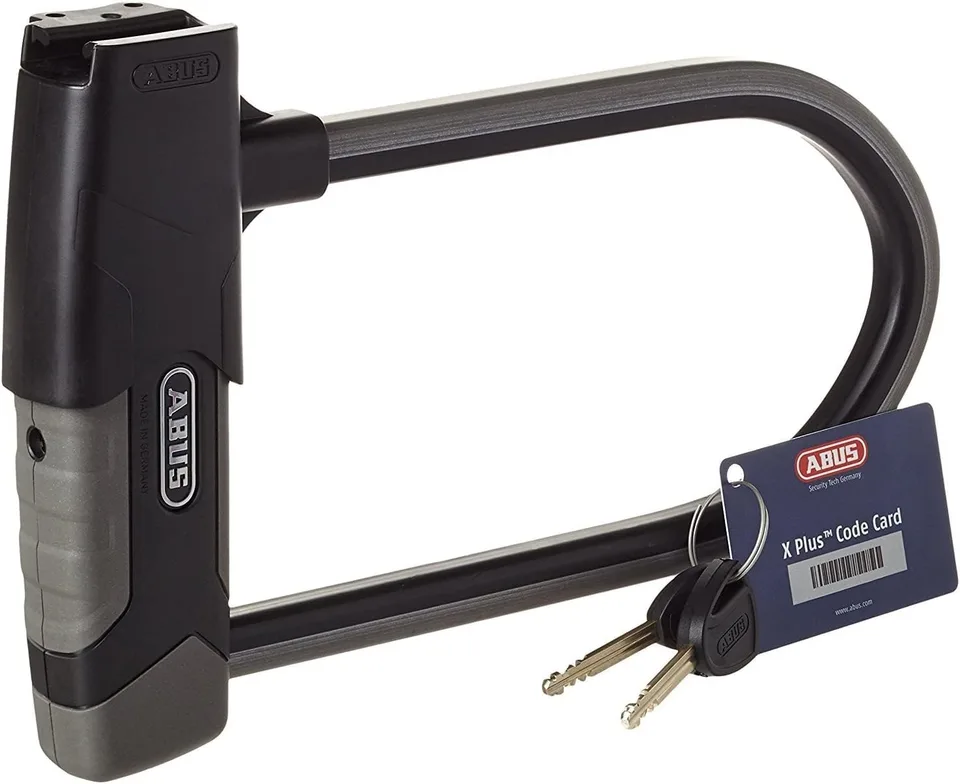
Abus
ABUS Granit X-Plus 540
Inner dimensions: 5.5" x 8" (14 x 20cm). Premium size for frame + wheel security. Heavy-duty for high-theft areas.
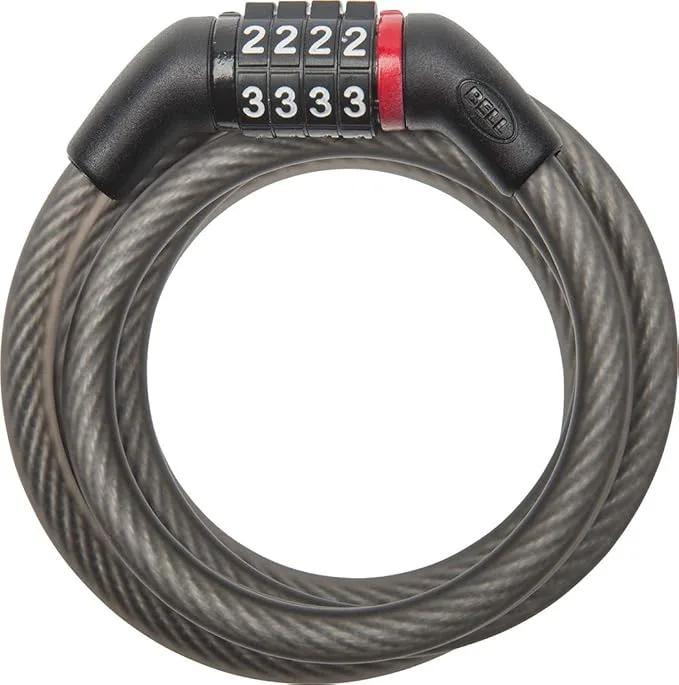
Bell
Bell Watchdog Cable Combo Lock
Best for low- to medium-risk stops; cable length works for frame-plus-wheel locking.
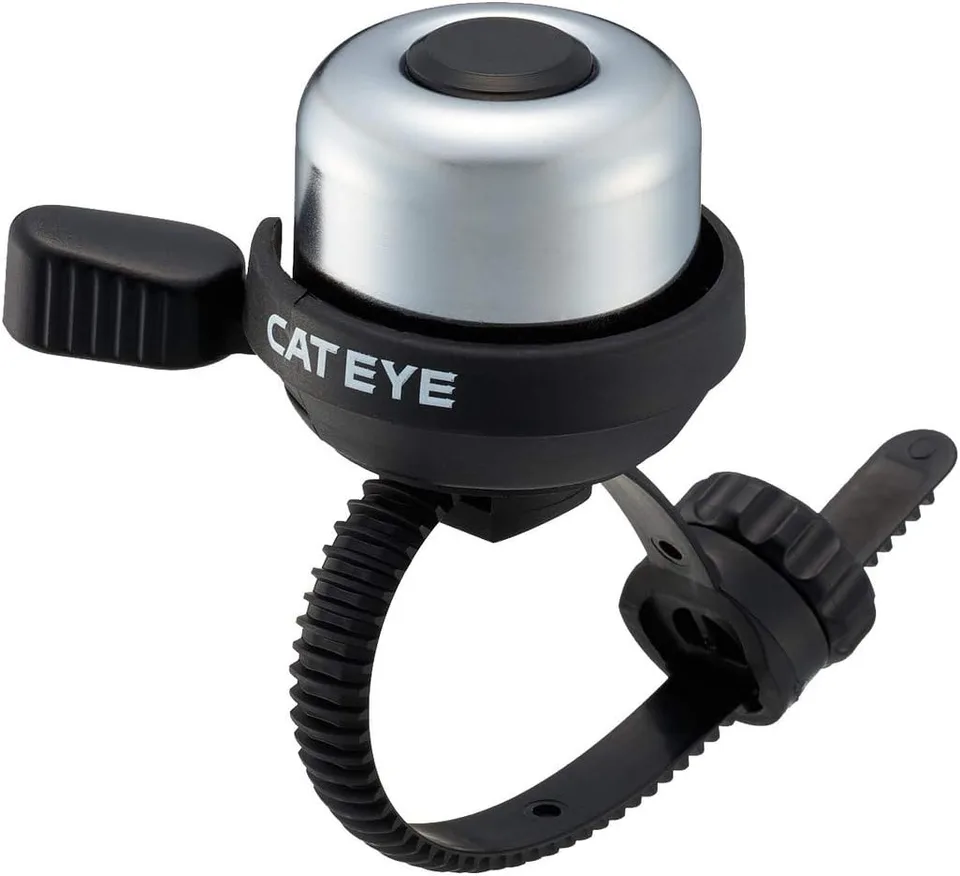
Cateye
CatEye Bell PB-200
Mid-range option; fits drop-bar primarily; 23.8 mm optimized mount
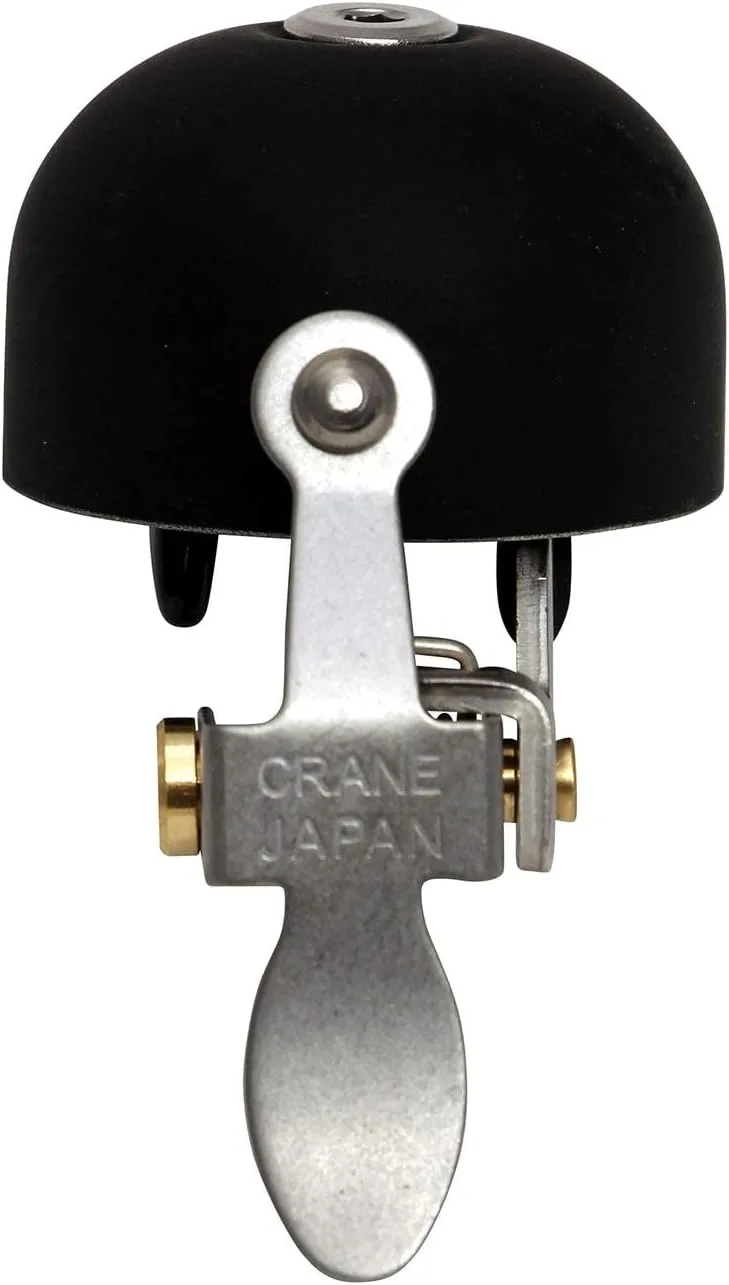
Crane Bell
Crane Bell E-Ne
Fits 22.2-31.8 mm bars with shim/band; universal strap compatibility
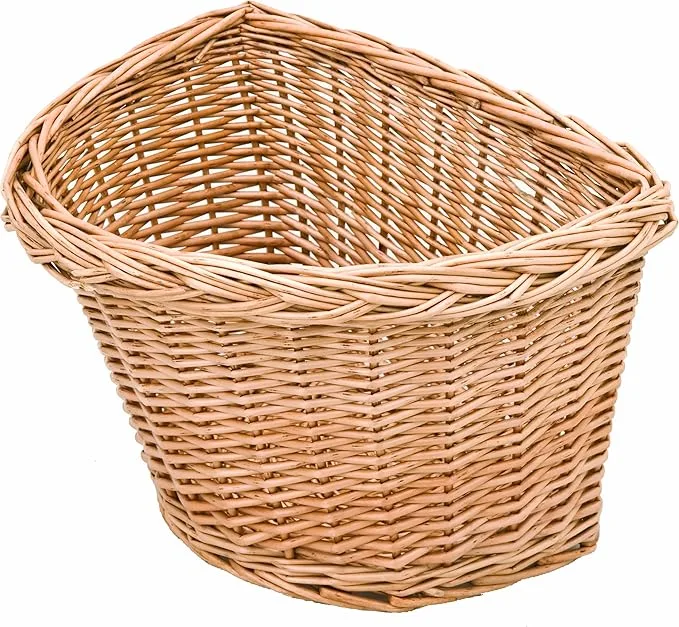
Bell
Bell Handlebar Basket
Check handlebar diameter and cable routing; avoid overloading lightweight bars.
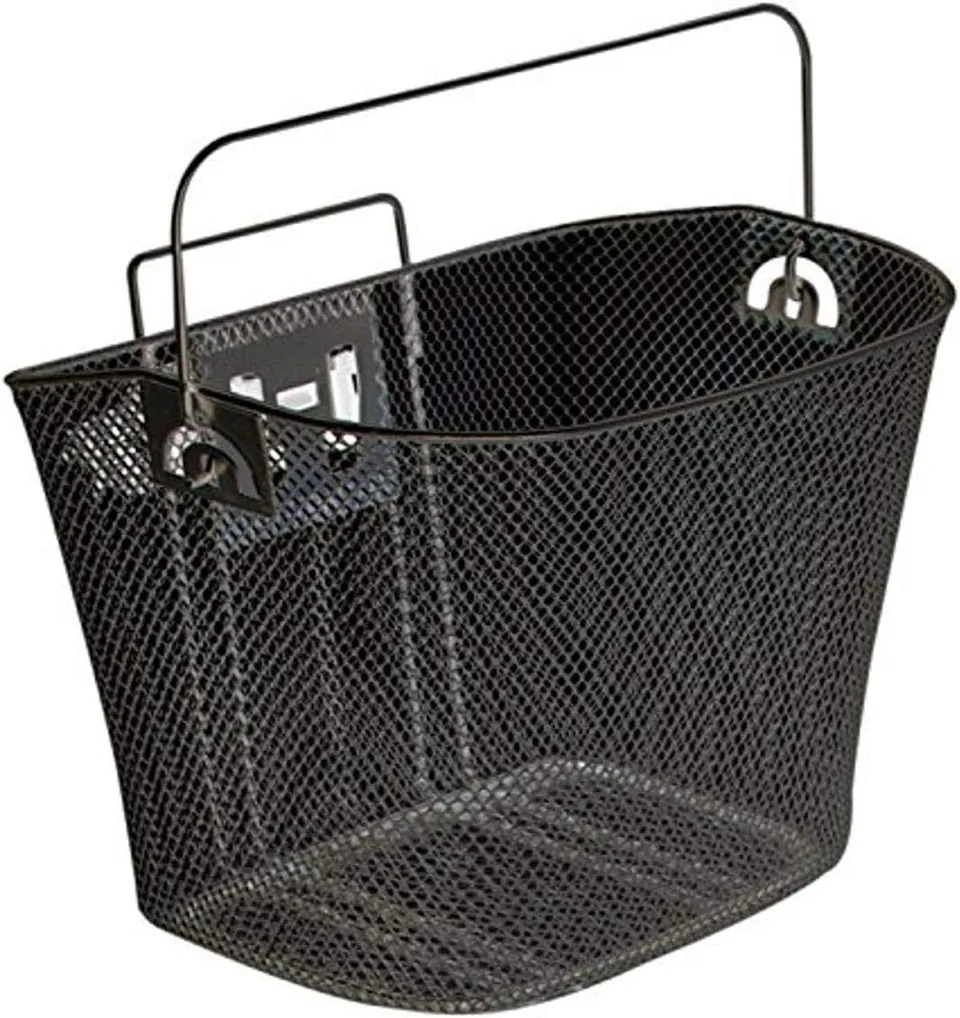
Diamondback
Diamondback Metal Mesh Quick-Release Bicycle Basket
Quick-release bracket fits standard 22.2-25.4 mm handlebars. Best for upright, flat-bar bikes (hybrid, comfort, cruiser) - not designed for drop bars.
As an Amazon Associate we earn from qualifying purchases. Purchases made through these links help support our free calculators.
Tools to size accessories before you buy
Two minutes here saves a return shipment and a frustrated child.
Head circumference to brand sizes - covers Giro, Bell, Nutcase, and more
Hand circumference to youth and adult glove sizes
Confirm the bike fits before you spend on accessories
A correctly set seat is the cheapest comfort upgrade you can make
Frequently asked questions
The bottom line
Start with a properly fitted helmet. Add gloves and pads if your child is learning or trail-curious. Add lights the moment they ride near traffic or after dark. Add a real lock when they start locking up at school. Everything else - bells, baskets, bottles, computers - is icing, but the right kind: the kind that makes a child want to ride more often. Pair this with our Best Bikes for Kids 2026 to outfit a complete first ride, and the Kids Bike Sizing Guide to make sure the bike itself is right.
Related Calculators & Tools
Match head circumference to brand sizes - works for kids too
Hand circumference to youth and adult glove sizes
Right-size the bike before you spend on the accessories
Set seat height for safe stops and pedalling efficiency