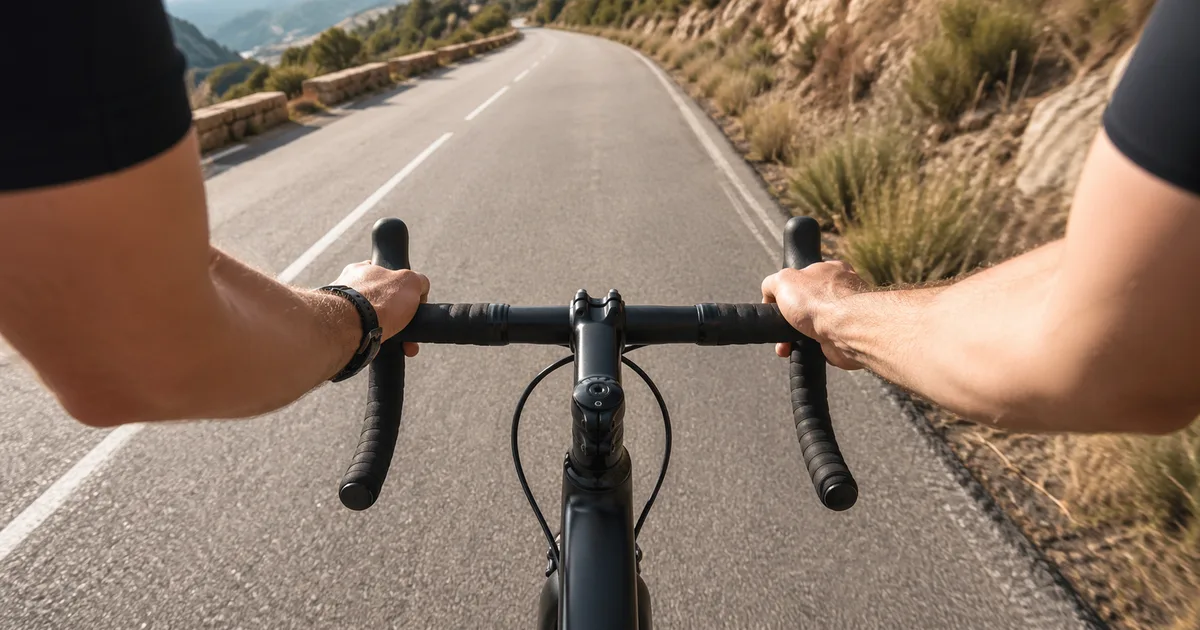
Bike reach and stack fit guide 2026 | Cockpit comfort
Guide
Bike size labels are blunt tools. A 54 cm road bike from one brand can feel calm and upright, while another 54 cm can put you low, long, and stretched. Reach and stack explain most of that difference. They are the two geometry numbers that tell you where the front of the bike sits in relation to the bottom bracket, before stems, spacers, and handlebars get involved.
Scope note
This is bike-fit education, not medical advice. Comfort, posture, and handling are fair game here. Sharp pain, spreading numbness, dizziness, or symptoms that keep returning deserve help from a qualified clinician or an in-person bike fitter. Do not try to ride through warning signs.
Calculators for reach and stack
Use these tools in order: confirm the frame-size range, estimate reach and stack, then fine-tune stem length and handlebar width. The numbers are a starting point, not a verdict.
Estimate frame reach and stack from your measurements
Check whether a stem change can fine-tune your cockpit
Match bar width to shoulder width before judging reach
Set saddle height before changing the front of the bike
What reach and stack mean
Frame reach is the horizontal distance from the bottom bracket to the top of the head tube. Frame stack is the vertical distance between those same points. Put simply: reach tells you how long the frame is, and stack tells you how tall the front end is.
These numbers are useful because they ignore the noisy parts of a bike listing. Seat-tube length, top-tube slope, and size names all vary by brand. Reach and stack give you a cleaner way to compare a Trek size chart against a Specialized size chart or a Canyon size chart. A medium is not always a medium. A 56 is not always a 56.
Reach and stack are not the whole fit. Stem length, spacer height, handlebar reach, hood position, saddle setback, and crank length still matter. But if the frame reach and stack are far away from your needs, the rest of the build starts to feel like a rescue mission.
Start with a target range
Riders often look for one perfect number. Real fit is messier. Aim for a range that matches your body and the way you ride. A commuter who wants easy shoulder posture may prefer more stack and less reach. A flexible road rider chasing a lower position may accept less stack and a longer reach. Neither setup is automatically better.
Start with your body proportions. The long-torso rider guide explains why some riders need more front-end length than their inseam suggests. The short-rider guide covers the opposite problem: small frames can still have too much reach once drop bars and brake hoods are included. If you are new to bikes, the beginner sizing guide is the safer starting point before you chase exact cockpit numbers.
Then use the Reach & Stack Calculator and compare its range with bikes you can actually buy. If the calculator points you toward a higher front end, do not force yourself onto the lowest-looking frame because it seems faster. If it points you toward a longer fit, do not buy a short frame and hope a huge stem will fix it.
Measure your current fit
If you already own a bike, measure it before changing parts. Write down saddle height, saddle setback, spacer stack, stem length, stem angle, bar width, and hood position. Then measure two practical distances: saddle nose to handlebar center, and saddle top to handlebar top. They are not the same as frame reach and stack, but they tell you what your body is currently feeling.
Set saddle height first with the Saddle Height Calculator. A saddle that is too high or too low can make reach feel wrong because your hips are no longer stable. After that, check handlebar width with the Handlebar Width Calculator. Bars that are much wider than your shoulders can make a reasonable reach feel stretched. If pressure on the nose of the saddle keeps pulling you forward, size the seat itself with our saddle width tool so your sit bones carry the load.
Make one change at a time. This sounds boring, but it saves money. If you move the saddle, swap the stem, rotate the bars, and lower spacers on the same afternoon, you will not know which change helped.
Change reach without guessing
For most riders, cockpit tuning works best in 5 to 10 mm steps. A stem that is 10 mm shorter can reduce hand pressure and make the bike feel easier to steer. A stem that is 10 mm longer can open the torso and calm the front wheel. Larger changes can work, but they should be deliberate. The Stem Length Calculator and the stem length guide can help you decide whether the frame is close enough to tune.
Spacer changes affect stack more than reach. Raising the bars usually makes a bike feel more relaxed, especially on longer rides or stop-start commutes. Lowering the bars can feel efficient if you can keep relaxed elbows and normal breathing. If you need every spacer removed or a tower of spacers added to make the bike work, the frame may be the wrong shape for your goal.
Avoid using saddle fore-aft position as a reach fix. The saddle sets your relationship to the pedals. Move it to support your pedaling, then solve cockpit length with frame choice, stem length, bars, and hood position.
Compare brand geometry charts
Geometry charts are where reach and stack become useful. Pick two nearby sizes and compare the actual frame reach and stack rather than the size name. A bike with 8 mm more reach and 15 mm more stack may feel more upright than a smaller size once both are built with sensible stems and spacers.
Brand pages on BikeSize collect sizing ranges and geometry notes in one place. Start with brands that publish clear fit information, such as Trek, Giant, Liv, and Cannondale. If you are comparing a road bike and a gravel bike, use the Geometry Comparison tool so the numbers sit next to each other.
The important question is not, "What size am I?" It is, "Which size gives me the reach and stack I can tune with normal parts?" That question keeps you from buying a bike that only fits after extreme compromises.
Rider examples
Between sizes
If two sizes match your measurements, check saddle range, standover and achievable cockpit position on both. Keep stem and spacer changes within the manufacturers' limits. Use the two-size worksheet to record the checks before deciding whether one, both or neither works.
Commuter or comfort-first rider
A slightly shorter reach and taller stack usually makes sense for traffic, backpacks, and frequent stops. The commuter sizing guide has more advice for riders who care about control and visibility more than an aggressive position.
Long torso, shorter legs
You may need more reach than a height chart suggests, but standover still matters. Look for frames where reach increases without forcing a top tube you cannot comfortably stand over. Sometimes the answer is a longer size with a moderate stem. Sometimes it is a different model.
Short rider on drop bars
Small frames often look fine on paper until drop-bar reach, hood shape, and brake lever position are added. Compact bars, short-reach levers, and true XS geometry can matter as much as the frame label.
Test-ride checklist
Test the bike on a route you know. Ten minutes around a parking lot will not tell you much about reach. Ride seated on the tops, on the hoods, and in the drops if the bike has them. On flat ground, your shoulders should stay loose, your elbows should have a small bend, and your hands should not feel like they are holding your upper body up.
- Can you look ahead without craning your neck?
- Can you cover the brakes without sliding forward on the saddle?
- Does the steering feel calm, or does it dart with every hand move?
- Can you breathe normally when riding at a steady effort?
- After 20 to 30 minutes, do your notes match what you felt at minute five?
If the bike fails only one item, a small cockpit change may solve it. If it fails most of them, the frame geometry probably does not match your body or riding goal. That is useful information, not a failure.