Gravel Bike vs Drop-Bar MTB: Which Fits Your Riding?
GuideLast reviewed
Start with your surfaces and riding plans, then check fit.
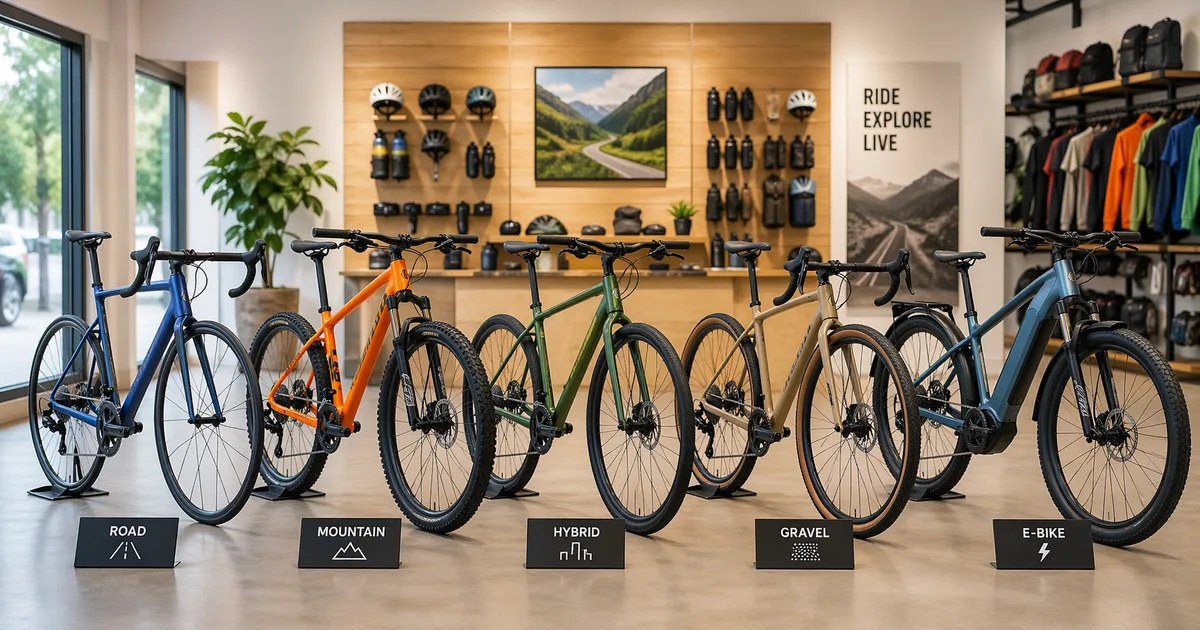
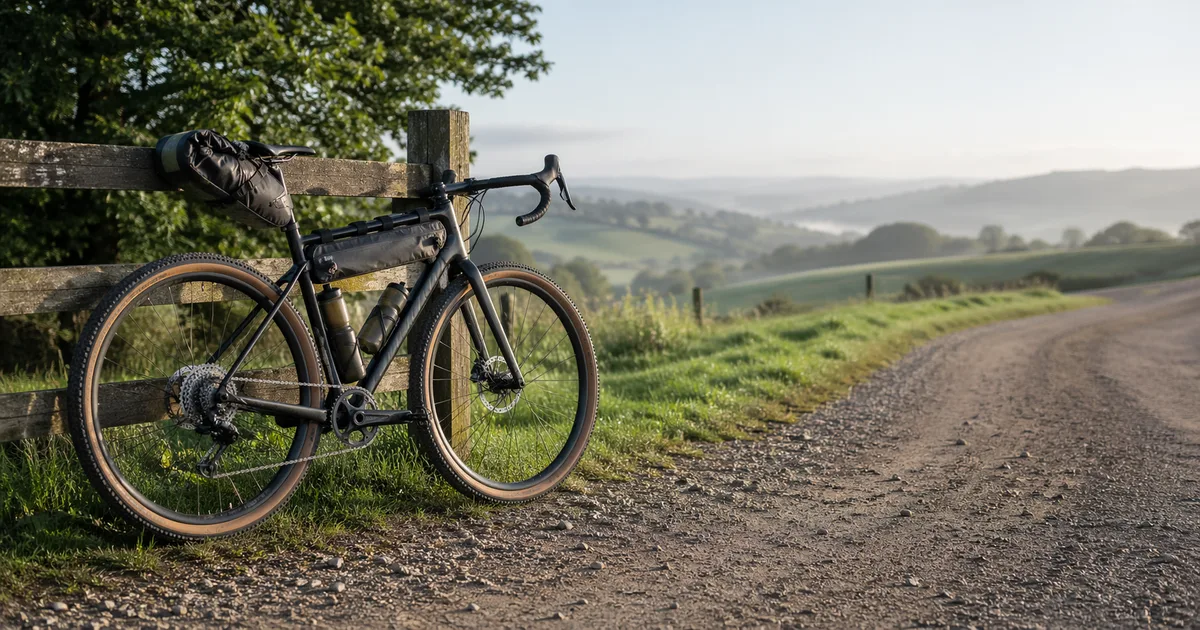
Choose a gravel bike when your usual ride is pavement and maintained dirt roads, and you want a drop-bar position for linking them together. Choose a purpose-built rigid drop-bar MTB when rough tracks, bigger tires and loaded off-road climbing matter more. Neither label settles the decision: some adventure gravel bikes already use mountain-bike tires and geometry.
Start with the route you ride every week, not the expedition you might take once. A bike that feels manageable on your hardest regular section is a better purchase than one chosen only for its category name. Our bike-type guide covers the wider choices; this comparison focuses on the overlap between two drop-bar options.
Which compromises suit your route?
| Your priority | Gravel bike | Rigid drop-bar MTB |
|---|---|---|
| Road links and smooth gravel | Often the simpler match | Check whether the tire and gearing choices suit long road sections |
| Rutted tracks and loaded climbs | Check clearance and lowest gear carefully | Often designed around larger tires and off-road luggage |
| Higher hand position | Depends on model and cockpit | Some have substantially more frame stack |
| Frequent technical descents | May be the wrong category | Still rigid; consider a suspension MTB instead |
| One bike for commuting and trips | Check mounts, fenders and gearing | Check the same things; the label does not certify carrying capacity |
Handling depends on tires, fork offset, trail, wheelbase, cockpit and rider technique together. A slacker head angle alone does not make a bike safer or more comfortable. For a different control layout, read hardtail vs full suspension before assuming any drop-bar bike can replace your trail MTB.
Two model-year examples, with the differences exposed
Salsa calls the Fargo a drop-bar mountain bike. Its 2025 Fargo GRX 610 and 2024 Warbird C GRX 600 1x show why shopping by handlebar shape is not enough. These are different years and builds, not a current-stock comparison. The sizes below illustrate geometry; they are not equivalent-size recommendations.
| Measurement | 2024 Warbird, 56 cm | 2025 Fargo, Medium |
|---|---|---|
| Frame stack / reach | 584.85 / 381.19 | 643 / 368 |
| Head angle | 70.75° | 69° |
| Chainstay / wheelbase | 430 / 1038.21 | 445–462 / 1083–1100 |
| Stock tires | 700c × 42 mm | 29 × 2.2 inches |
| Published tire options | 700c up to 45 mm; 650b up to 51 mm | 29 up to 3.0 inches on S–XL; XS limited to 2.6 inches |
| Stock ring / cassette | 40T / 11–42T, 11-speed | 34T / 10–51T, 12-speed |
| Lowest tooth-count ratio | 40 ÷ 42 ≈ 0.95 | 34 ÷ 51 ≈ 0.67 |
The Fargo example has about 58 mm more frame stack and 13 mm less reach. That suggests a different starting point for the cockpit, not a measured difference in your hand position. Salsa calculates the Warbird chart with a 405 mm rigid fork and a 698 mm tire diameter; the Fargo chart uses a 480 mm fork and a 746 mm tire diameter. Do not carry standover or bottom-bracket-height conclusions across different tire setups.
The Fargo wheelbase range reflects adjustable dropouts. The 2024 Fargo frameset also has its own fork and brake specifications: do not treat this 2025 build table as a parts guide for an older Fargo. Use the Salsa size hub to orient yourself, then open the exact year's manufacturer chart.
Compare hand positions, not just frame labels
Frame reach ends at the head tube. Your hands sit farther along the stem, handlebar and brake hoods. A short MTB stem does not automatically cancel the extra reach from fitting drop bars to a flat-bar frame. Bar flare changes drop width too; it does not guarantee a comfortable hood width.
Compare exact sizes in the geometry tool, then check stem length, spacer limits, bar reach and lever placement. The stack and reach guide explains those reference points. Use the stem-length guide and brake-lever reach checks to assess the controls you will actually use on rough ground.
Try the hoods and drops under braking, with gloves if you normally wear them. Can you reach the levers without shifting your grip awkwardly? Can you move around the bike on a descent? The existing gravel sizing guide handles general sizing; neither a size formula nor this category comparison substitutes for a test ride.
Low gears and usable clearance matter more than maximums
The Fargo's lower ratio in the table reduces wheel rotation per crank revolution, but its larger tire increases distance per wheel revolution. Enter the actual tire circumference and drivetrain into route gearing for a more useful climbing comparison. A smaller chainring is not always a compatible swap: check chainline, ring clearance, derailleur capacity and controls before using the drivetrain compatibility checker.
Published maximum tire size is a limit to verify, not a target to fill. Rim width changes measured tire width; mud and fenders need space. Salsa notes that some front derailleurs reduce Warbird clearance. A 29-inch tire and a 700c tire share a 622 mm bead-seat diameter, but that does not make their width, outside diameter or frame fit equivalent. See the tire selection guide and tubeless setup guide before pricing a wheel or tire conversion.
Before you buy or convert
- Describe your regular terrain, loaded climbs and road sections honestly.
- Confirm model year, size, actual drivetrain and fitted fork. A seller's purchase date is not a model year.
- Check controls, saddle position and safe standover on the actual bike.
- Check frame and fork riding-condition ratings, luggage mounts and load limits in the correct manual.
- Mock up bags and bottles. Use bag clearance to flag conflicts, not certify a loaded bike.
- Price verified changes only. For a secondhand candidate, collect the seller measurements before paying.
Frequently Asked Questions
Sources and review scope
- Salsa: 2024 Warbird C GRX 600 1x — geometry, stock drivetrain and tire limits.
- Salsa: 2025 Fargo GRX 610 — geometry, stock drivetrain, size-specific tire options and intended use.
- Salsa: 2024 Fargo steel frameset — legacy specifications and drop-bar design caveats.
Prepared by the BikeSize Team from manufacturer pages reviewed November 6, 2026. Ratios and dimension differences are calculations from those specifications. This is buying guidance, not a hands-on ride test or a guarantee of speed, comfort, availability or conversion compatibility.